

An online course to help prepare you for a vaginal birth
Growing your baby and preparing for birth shouldn’t feel confusing or overwhelming.
You deserve clear, evidence-informed guidance that helps you understand your anatomy, work with your body, and support your baby into an optimal position for labour.
This course is designed to give you exactly that.
Gentle daily techniques that make a difference
Created by a pregnancy and postnatal chiropractor with over 15 years of clinical experience, Birth Ready teaches you how your body actually functions in late pregnancy and birth — and how simple, gentle daily techniques can support:
Baby’s positioning
Pelvic mobility
Nervous system regulation
Preparation for labour and birth
It’s calm. It’s practical. It’s grounded in physiology.And it’s designed for pregnant women planning a vaginal birth.

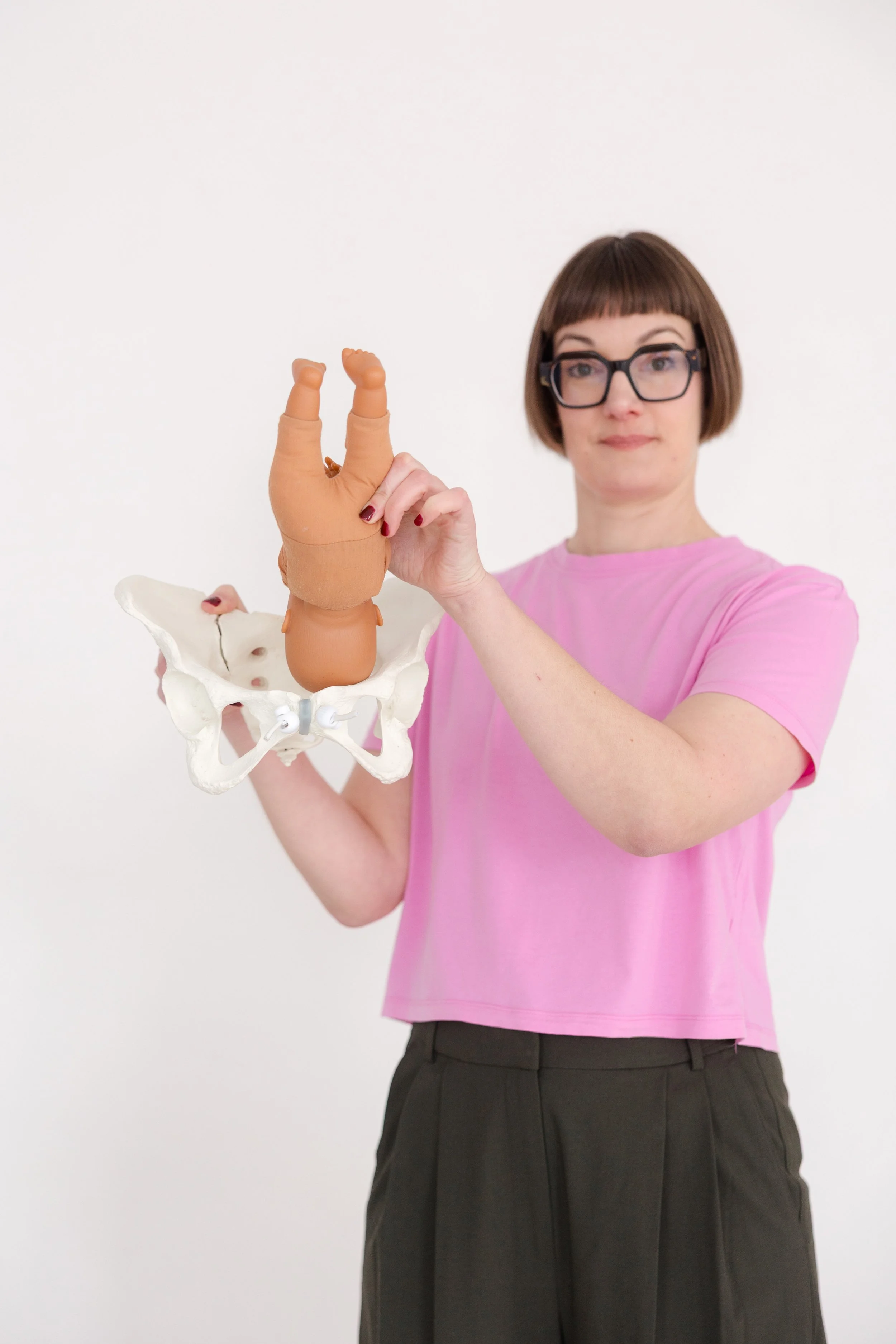
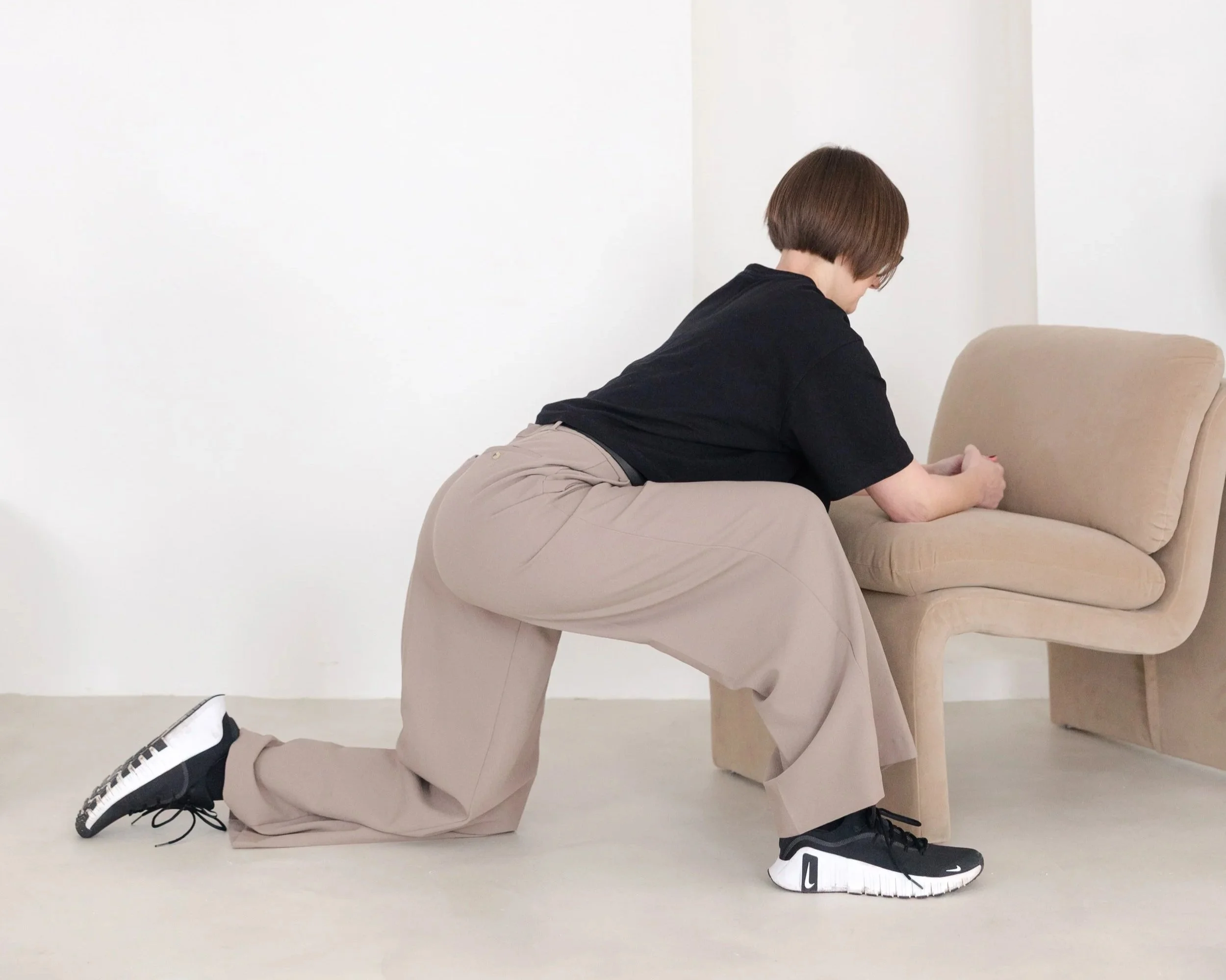
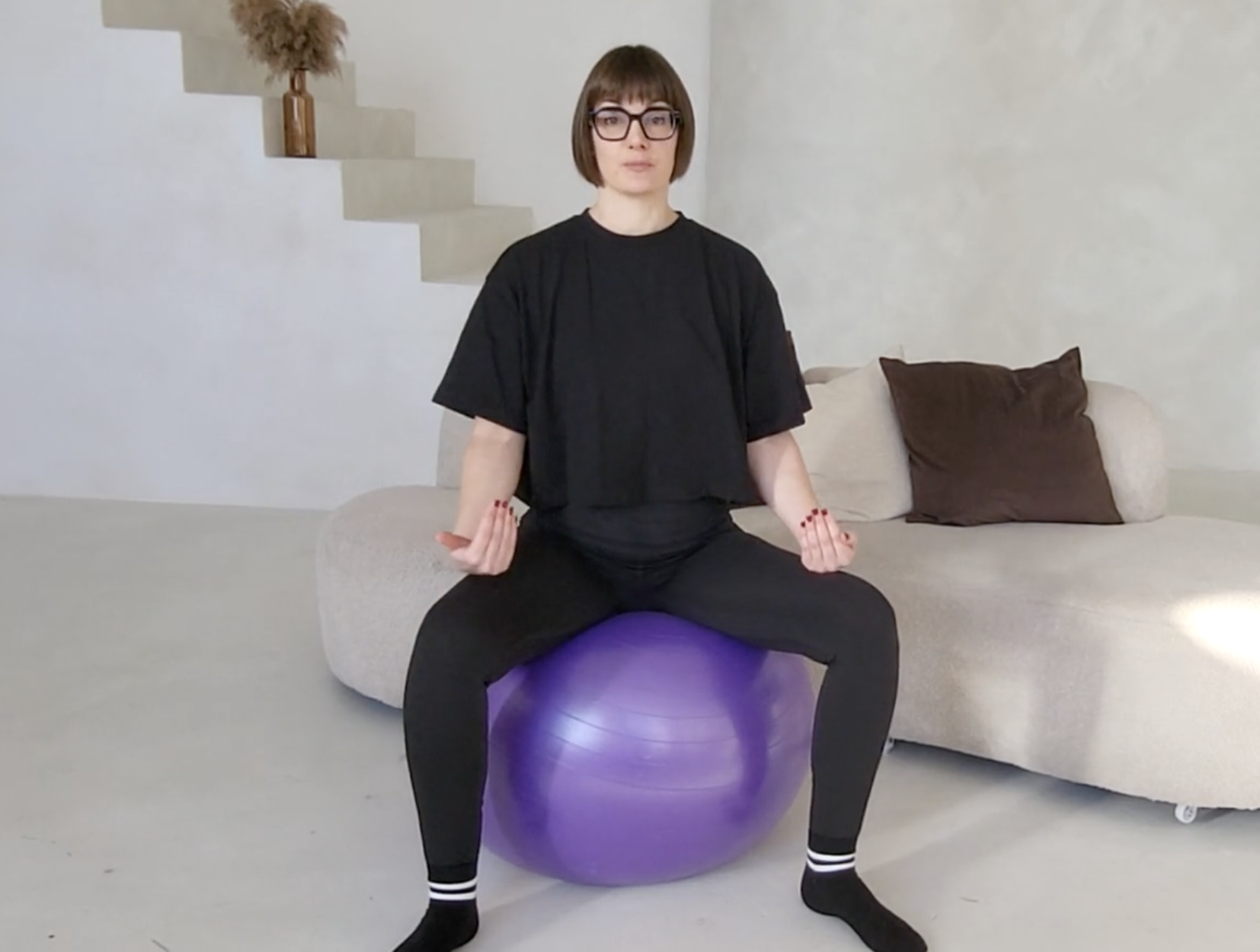
What you’ll learn
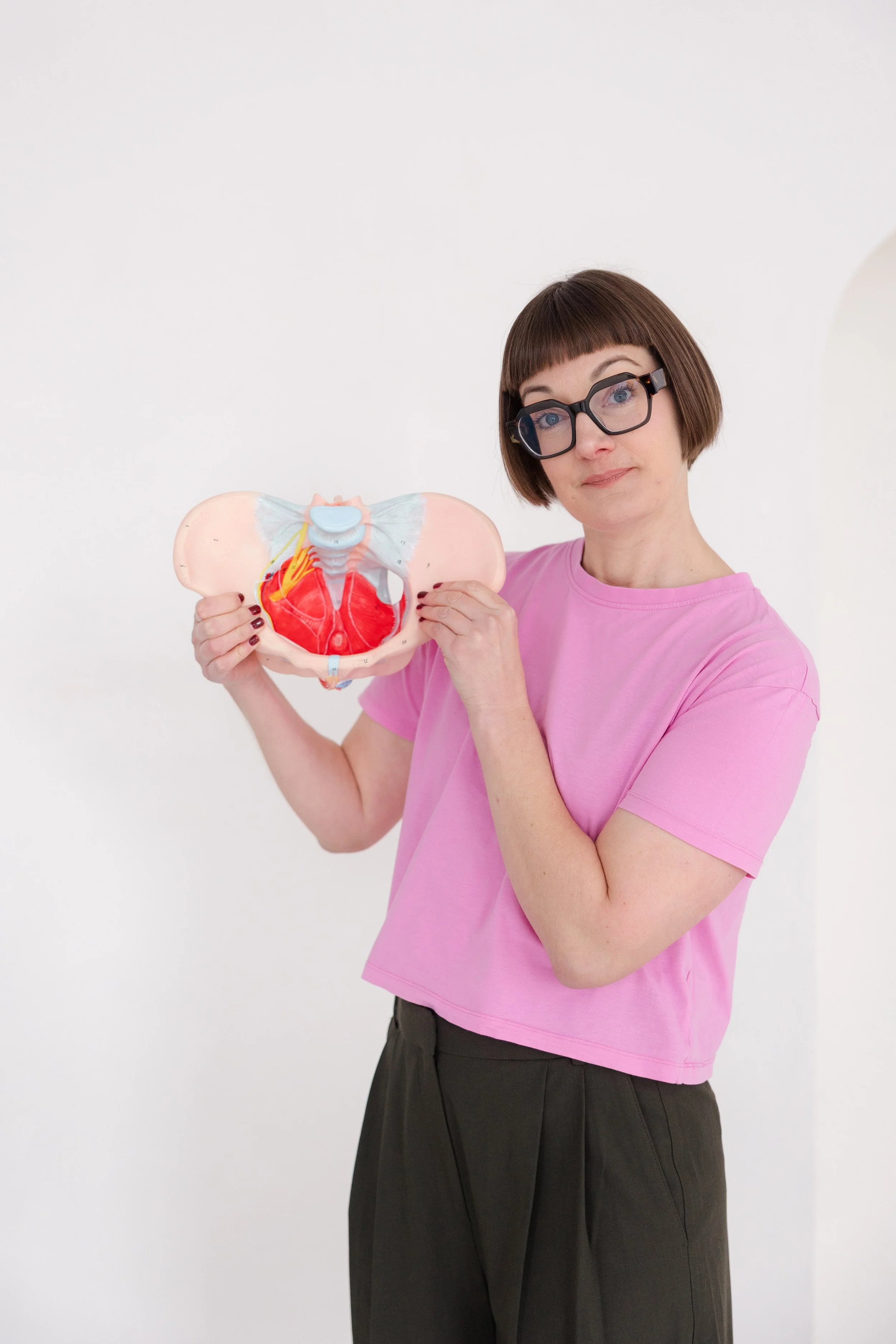
This course teaches you the physiology behind alignment, space, mobility, and the ability of your muscles to release — and shows you the exact, simple movements to support them. By the time you go into labour, your body will know what to do.
And you’ll know how to work with it.

What’s included
-
![]()
Four lessons
Three full lessons and a one daily flow session
-
![]()
Demonstrations
Guided demonstrations of every movement and technique
-
![]()
Reference notes
Illustrated companion notes to help you remember key points
-
![]()
Daily birth prep
A flow you can follow from now until birth
-
![]()
Lifetime access
You have full access to the course so can use it for multiple pregnancies
-
![]()
Suitable for all trimesters
The course can be used throughout, but is especially effective in the third trimester

The course content
-
A calm, settled nervous system is one of the most powerful tools you can bring into labour. You’ll learn:
Why your pelvic floor responds directly to stress
How modern life (rushing, pressure, information overload) keeps your body in fight-or-flight
How that tension can slow labour or make it more intense
Techniques to shift into a calm, parasympathetic state
Simple practices you can use daily to help your body soften, release and open
This lesson forms the foundation for the rest of the course — because your body can only release when it feels safe.
-
Your baby’s position at the start of labour can make a measurable difference to how efficient and comfortable your birth is. You’ll learn:
The key ligaments around the uterus and why they matter
How sitting, driving and daily habits can tighten the ligaments and limit space
Why certain baby positions (like LOA) support easier progress
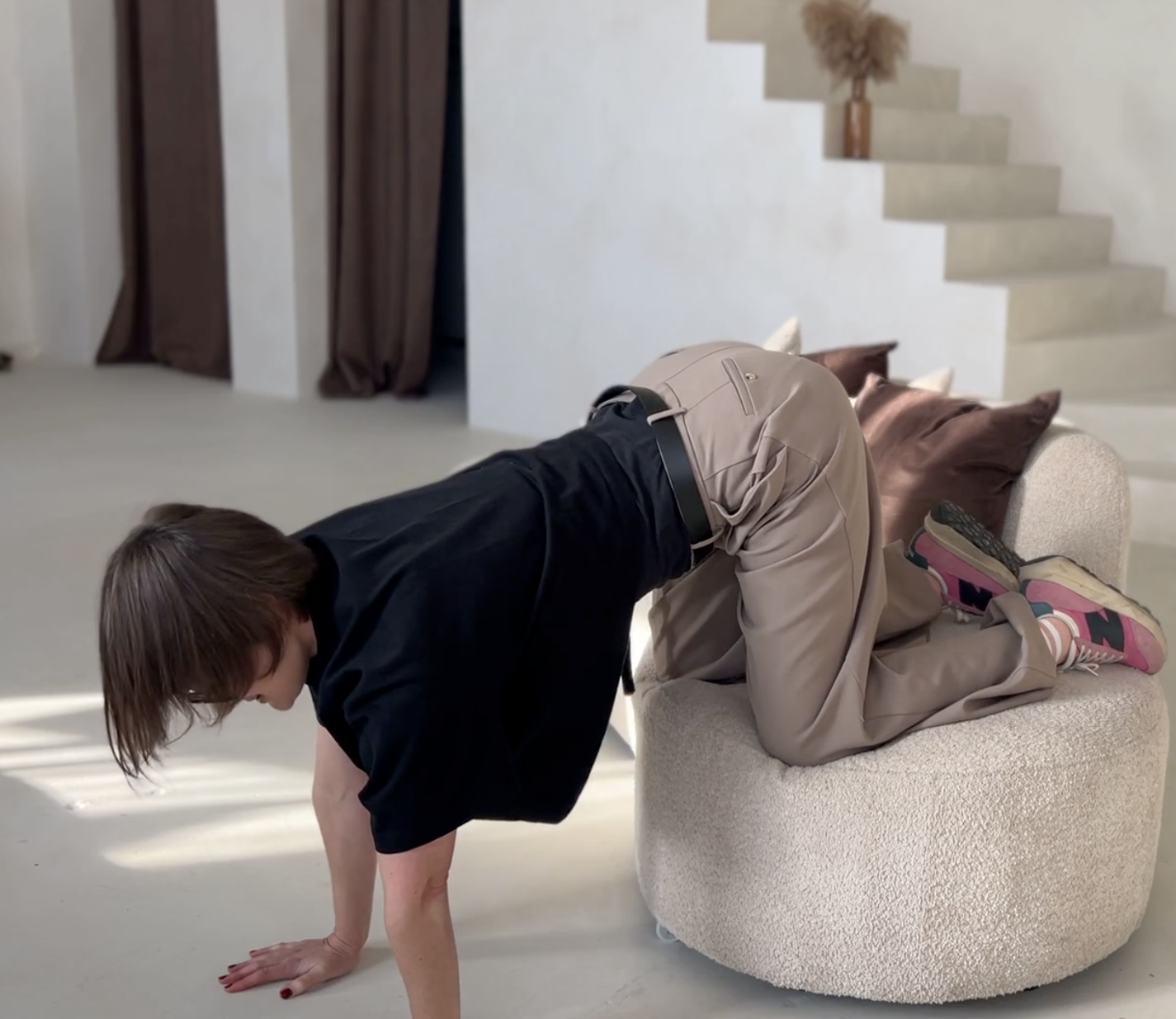
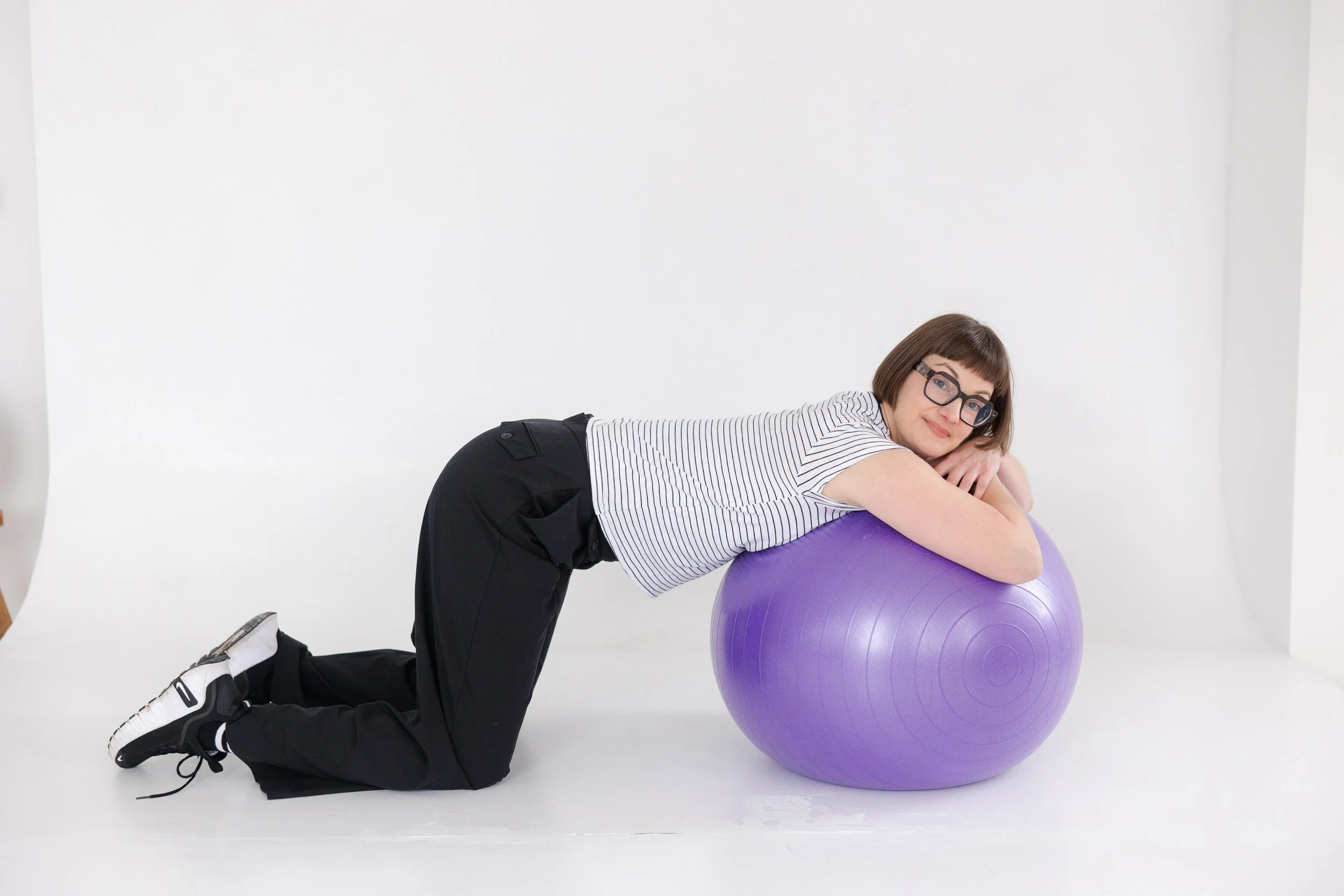
How forward-leaning postures and gravity naturally help your baby settle forward
Daily movements that create softness, mobility and space in the bump
This is practical, gentle and easy to integrate into everyday life — and can make a real difference in how well baby engages.
-
A flexible, responsive pelvic floor supports a smoother second stage of labour. You’ll learn:
Why a “tight” or over-activated pelvic floor can work against you
Why birth requires release, softness and stretch — not squeezing
How to mobilise the front, sides and back of the pelvis
How to create space at the pelvic outlet for baby’s head and shoulders
A guided sequence of movements and massage techniques to prepare the sacrum and deep gluteal muscles
These techniques help your pelvis move the way it’s designed to — giving your baby more room to rotate and descend.
-
Once you’ve learnt the principles and techniques, you’ll put them together into a simple 10–15 minute routine you can use every day until birth. This flow supports:
Baby’s position
Pelvic floor release
Sacral mobility
Nervous system calmness
Overall comfort in pregnancy
It’s safe, grounding and easy to follow at home.

This course is for you if…
→ You’re planning a vaginal birth
→ You want practical tools, not fear or guesswork
→ You prefer calm, clear explanations over hype
→ You want to understand why these techniques work
→ You want to feel more comfortable and physically ready in late pregnancy
→ You want to support your body's natural physiology during birth
You do not need to be fit, flexible or experienced with yoga or exercise. These movements are gentle, safe and adaptable for every body.
What People Are Saying
Start Today
Feel calmer. Move better. Create space.
Give your body and your baby the best possible start.
Frequently Asked Questions
-
If you have Pelvic Girdle Pain (PGP), or think you may have PGP, most of the exercises in this course are still suitable.
However, depending on the nature and severity of your symptoms, some pelvic mobility exercises may feel more challenging.
For this reason:
Alternatives are offered for selected movements
Exercises should be slow, controlled, and within a pain-free range
You should prioritise comfort, stability, and symmetry
Listen to your body and follow it’s lead.
If something causes pain or feels wrong, stop and choose the alternative provided.
-
Getting started is simple. Click ‘Get started’, fill in the form to create your online account and then you’ll be taken to the checkout. Once you have paid for access, you will have it almost immediately.
-
Yes, all of the course is online and you get lifetime access.
-
If you have a high-risk pregnancy, underlying medical condition, or have been advised to restrict exercise, you must consult your healthcare provider before participating.
-
One of the exercises included in this course is the Full Forward-Leaning Inversion. This is safe and suitable for the vast majority of pregnant women but I’d like you to read a few instances where it should be avoided:
This exercise is not suitable if you:
Have high blood pressure or pregnancy-related hypertension
Have glaucoma or increased eye pressure
Have been advised you are at risk of stroke or have any vascular condition.
Have a medical condition where inversions are not recommended
If this applies to you, a Mini Inversion alternative is provided, which offers a gentler and more accessible option while still stretching the ligaments of the uterus and supporting and foetal positioning.
If you experience heartburn or reflux, you may also find full inversions uncomfortable. In this case, you are encouraged to use the Mini Inversion instead.
-
Yes absolutely, If you've previously had a c-section but are otherwise classed as low risk. All of the exercises are suitable and should help towards you achieving your VBAC.
Delivered by Sally Scott, pregnancy and postnatal chiropractor with over 15 years of clinical experience.

-
Birth Ready is an educational programme designed to provide general information about pregnancy, biomechanics, movement, and birth preparation.It does not constitute medical advice, diagnosis, or treatment, and it does not replace the care or guidance of your midwife, GP, obstetrician, or other qualified healthcare professional.
The course is delivered by a UK-registered chiropractor and reflects principles within chiropractic scope of practice, including musculoskeletal health, posture, pelvic biomechanics, and nervous system regulation. It does not provide obstetric care, medical management, or clinical maternity services.
By enrolling, you confirm that:
You are medically fit to undertake gentle pregnancy-appropriate movement
You understand that results and birth outcomes cannot be guaranteed
You accept responsibility for your own health decisions and participation
You will seek personalised medical advice where appropriate
Participation in this programme is voluntary and undertaken at your own discretion.
If you have a high-risk pregnancy, underlying medical condition, or have been advised to restrict exercise, you must consult your healthcare provider before participating.
Nothing within this course is intended to diagnose, treat, cure, or prevent any medical condition.
If you experience concerning symptoms at any time — including pain, bleeding, reduced fetal movements, dizziness, contractions before term, or any symptom that feels unusual — seek immediate medical advice from your midwife, GP, maternity triage, or emergency services.